
INVESTMENT PLANS
EXPLORE DIFFERENT INVESTMENT OPTIONS AND BENEFITS
Take a look at the options available to invest in precious metals with us.
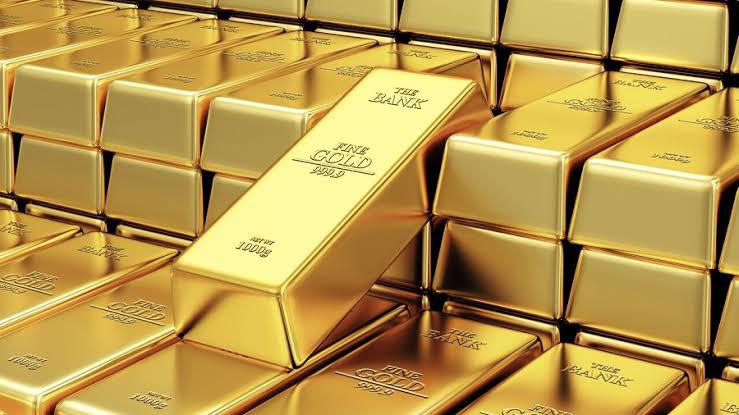
Gold Mining Investment
Gold is unique for its durability (it doesn't rust or corrode), malleability, and ability to conduct both heat and electricity. It has some industrial applications in dentistry and electronics, but we know it principally as a base for jewelry and as a form of currency. Its value is determined by the market 24 hours a day, seven days a week. Gold trades predominantly as a function of sentiment—its price is less affected by the laws of supply and demand. This is because the new mine supply is vastly outweighed by the sheer size of above-ground, hoarded gold. To put it simply, when hoarders feel like selling, the price drops. When they want to buy, a new supply is quickly absorbed and gold prices are driven higher. It has served as a hedge against inflation and the erosion of major currencies, and thus is an investment well worth considering.
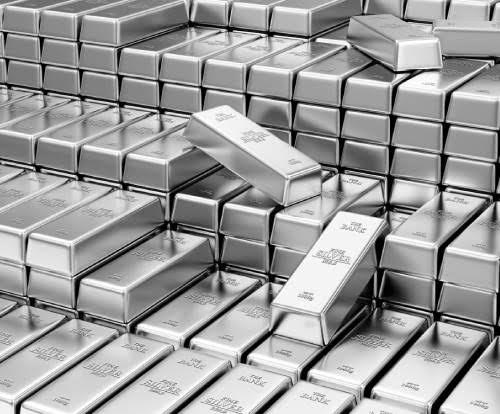
Silver Mining Investment
Unlike gold, the price of silver swings between its perceived role as a store of value and its role as an industrial metal. For this reason, price fluctuations in this market are more volatile than in the market for gold. While silver roughly trades in line with gold as an item to be hoarded, the industrial supply/demand equation for the metal exerts an equally strong influence on its price. That equation has always fluctuated with new innovations, including Silver's once predominant role in the photography industry (silver-based photographic film) has been eclipsed by the advent of the digital camera. The use of silver in batteries, superconductor applications, and microcircuit markets. It's unclear whether, or to what extent, these developments will affect overall non-investment demand for silver. One fact remains: Silver's price is affected by its applications and is not just used in the fashion world or as a store of value.
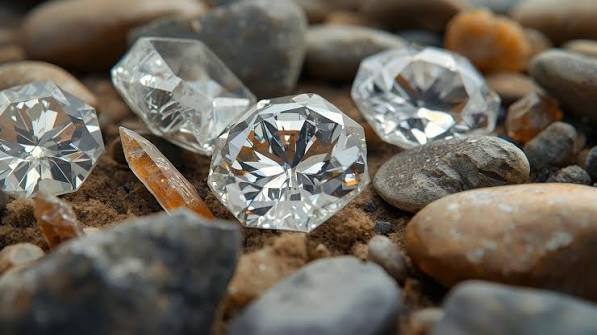
Diamond Mining Investment
Investment-grade diamonds are graded on the four Cs: cut, color, clarity, and carat weight. Unlike gold or silver, diamonds are not traded on a public exchange, which means their value is driven by scarcity, certification, and sustained luxury demand rather than market sentiment, making them one of the most stable long-term tangible assets available. Diamond is the hardest natural material on Earth, scoring a perfect 10 on the Mohs scale, making it virtually indestructible and uniquely resistant to wear. Beyond its iconic status in jewelry, diamond has significant industrial demand, used in cutting, grinding, and drilling tools across manufacturing, mining, and construction. Investment-grade diamonds are graded on the four Cs: cut, color, clarity, and carat weight. Unlike gold or silver, diamonds are not traded on a public exchange, which means their value is driven by scarcity, certification, and sustained luxury demand rather than market sentiment, making them one of the most stable long-term tangible assets available.
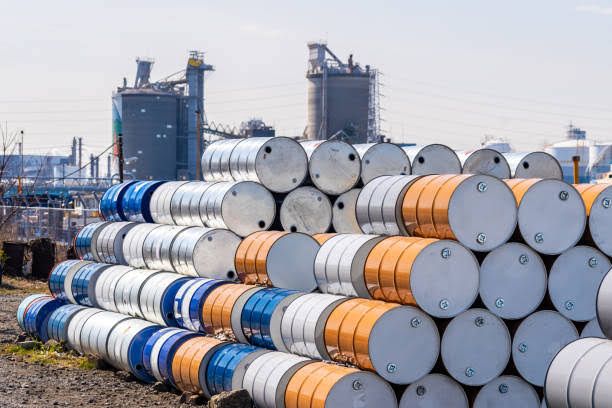
Crude Oil Investment
The importance of crude oil cannot be overstated. It is a major source of energy, generating heat and powering various types of vehicles and machinery, and is also used as a component in many of the products we use every day, including plastics, paints, and cosmetics. Concerns about the damage it does to the environment mean crude oil isn't favorable with everyone. However, most agree that we currently cannot live without it and that no longer extracting and refining crude oil would lead the global economy to grind to a halt. Investors may purchase two types of oil contracts: futures contracts and spot contracts. To the individual investor, oil can be a speculative asset, a portfolio diversifier, or a hedge against related positions. Investors may purchase two types of oil contracts: futures contracts and spot contracts. To the individual investor, oil can be a speculative asset, a portfolio diversifier, or a hedge against related positions. The price of the spot contract reflects the current market price for oil, whereas the futures price reflects the price buyers are willing to pay for oil on a delivery date set at some point in the future. The futures price is no guarantee that oil will actually hit that price in the current market when that date comes. It is just the price that, at the time of the contract, purchasers of oil are anticipating. The actual price of oil on that date depends on many factors.